
Player Safety and Control Mechanisms in Azerbaijani Gambling
The landscape of gambling in Azerbaijan is defined not only by its entertainment value but also by a critical framework of player protection. As digital platforms evolve, the conversation shifts from mere access to the implementation of robust safety measures designed to foster a secure environment. This analysis examines the core pillars of responsible gambling-deposit limits, identity verification (KYC), and self-exclusion tools-within the specific regulatory and cultural context of Azerbaijan. Understanding these mechanisms, which are standard across licensed operators like betandreas az, is essential for any participant aiming to engage in this activity as a controlled form of leisure, safeguarding both their financial well-being and personal health.
The Foundation of Responsible Gambling in Azerbaijan
Responsible gambling represents a proactive approach to ensuring that gambling remains a form of entertainment without leading to financial hardship or personal distress. In Azerbaijan, this concept is intertwined with both national regulation and operator-level policies. The state oversees licensing, mandating that all legal platforms integrate specific protective features. For the player, this translates into a suite of tools that empower personal control. The effectiveness of these systems relies on a dual responsibility: operators must provide transparent and accessible options, while players must be aware of and willing to utilize them. This shared commitment forms the bedrock of a sustainable gambling ecosystem in the country.
Financial Safeguards – Deposit and Loss Limits
One of the most direct methods for maintaining control is through pre-set financial boundaries. These are not restrictions imposed as punishment, but rather preventive parameters established by the player.
Types of Account Limits
Licensed platforms typically offer several layers of financial controls that can be adjusted according to personal circumstances. These limits are usually set for daily, weekly, or monthly periods and are designed to prevent impulsive spending beyond one’s means.
- Deposit Limit: The maximum amount of money a player can transfer into their gambling account within a specified timeframe. For example, a user might set a daily limit of 20 AZN.
- Loss Limit: A ceiling on the net amount a player is willing to lose in a session or over a period. If losses reach 50 AZN in a day, further wagering may be suspended until the limit resets.
- Wagering Limit: This controls the total amount of money staked on games, regardless of wins or losses. It helps manage the volume of activity.
- Session Time Limit: A reminder or automatic log-out after a predetermined duration of continuous play, such as 60 minutes.
Implementing these limits requires a conscious decision from the player, often during account registration or within the account settings panel. The key is that these are personal tools for budgeting, treating gambling expenditure like any other discretionary entertainment cost within the Azerbaijani household.
Identity Verification – The Role of KYC Procedures
Know Your Customer (KYC) protocols are a critical, though sometimes misunderstood, component of player protection. Far from being a mere bureaucratic hurdle, these measures serve multiple safety functions.
The standard KYC process in Azerbaijan involves submitting scanned copies or clear photos of official documents. This serves several protective purposes:
- Age Verification: It conclusively prevents underage gambling by confirming the user is over 18, the legal age in Azerbaijan.
- Identity Fraud Prevention: It ensures the account is registered to its genuine owner, protecting individuals from identity theft and unauthorized account use.
- Financial Security: By linking the account to a verified identity and payment method, it helps prevent money laundering and secures financial transactions.
- Self-Exclusion Enforcement: A robust KYC record is essential for effectively enforcing self-exclusion requests across platforms, preventing a user from simply opening a new account under a different name.
The process typically requires a national ID card or passport, and sometimes a proof of address. While it may add a step before the first withdrawal, its role in creating a secure and accountable environment is indispensable for the integrity of the entire system.
Self-Exclusion – The Ultimate Tool for Control
For individuals who feel their gambling habits are becoming problematic, self-exclusion offers a powerful and definitive solution. This tool allows a player to voluntarily ban themselves from accessing their gambling account for a chosen period. Qısa və neytral istinad üçün responsible gambling overview mənbəsinə baxın.
In the Azerbaijani context, self-exclusion options are often granular, providing different levels of commitment to suit various needs.
| Exclusion Type | Typical Duration | Primary Function |
|---|---|---|
| Cool-Off Period | 24 hours to 30 days | A short break to regain perspective after a significant loss or prolonged play. |
| Standard Self-Exclusion | 1 month to 6 months | A committed period away from gambling to establish new habits and reassess behavior. |
| Long-Term Exclusion | 1 year to 5 years | A substantial commitment for those recognizing a persistent issue requiring extended distance. |
| Permanent Closure | Indefinite | The most decisive action, involving the permanent deactivation of the gambling account and deletion of data where possible. |
| Multi-Operator Exclusion | Varies | A sought-after system where a single request excludes the user from all licensed operators in the jurisdiction. |
Once enacted, a self-exclusion request should be irreversible for its duration. Operators are obligated to prevent access, including blocking login attempts and stopping marketing communications. This tool places the power of a definitive pause directly in the hands of the individual, a crucial aspect of modern responsible gambling frameworks.
Integrating Protection Tools into Daily Practice
Awareness of these tools is only the first step; their effective integration into a player’s routine is what creates genuine safety. This involves a shift from reactive to proactive management of gambling activity. Qısa və neytral istinad üçün problem gambling helpline mənbəsinə baxın.
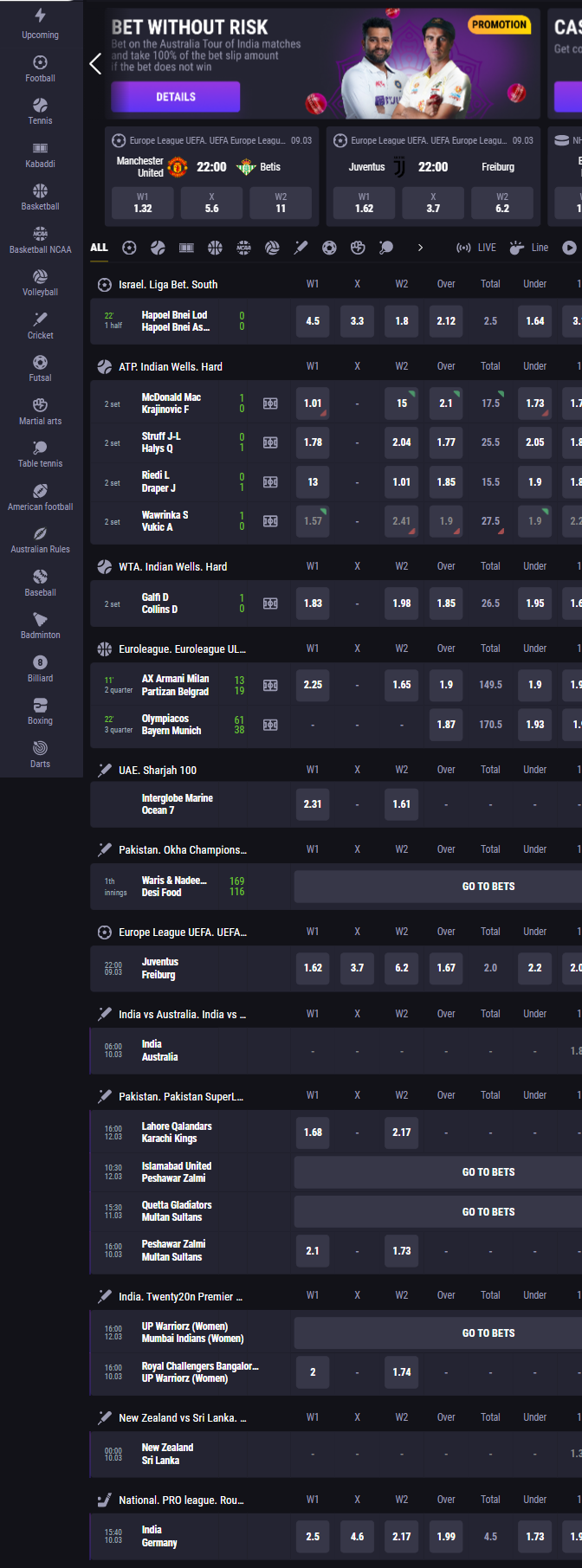
Consider a hypothetical scenario: An avid football fan in Baku decides to engage with sports markets. Before placing any wager, they log into their account settings and set a weekly deposit limit of 100 AZN, aligning with their entertainment budget. They also activate a 2-hour session time limit. After several months, due to personal stress, they notice they are logging in more frequently and considering increasing their limit. Recognizing this pattern, they instead utilize the ‘cool-off’ function to impose a 7-day break, giving themselves time to reflect without the temptation. This practical application turns abstract tools into a personal safety net, ensuring their engagement remains a conscious choice rather than a compulsion.
Regulatory Environment and Future Trends
The Azerbaijani government’s regulatory stance directly influences the availability and enforcement of these protection measures. Licensing requirements compel operators to implement them, but the future points toward more unified and technologically advanced systems.
- Potential for a national self-exclusion registry, allowing individuals to register once for exclusion from all licensed entities.
- Enhanced real-time data analytics to identify risky playing patterns and trigger automated responsible gambling messages or check-ins.
- Integration of behavioral biometrics for early detection of problematic play, such as changes in wagering speed or session timing.
- Mandatory periodic « reality check » pop-ups during extended sessions, clearly displaying time played and net loss/gain in AZN.
- Greater collaboration between regulators, operators, and public health organizations to promote awareness and fund support services.
These advancements aim to create a more seamless and effective safety net, moving protection from a static set of tools to a dynamic, interactive system focused on prevention.
Cultural Considerations and Personal Responsibility
In Azerbaijan, as elsewhere, the success of protective frameworks depends on their alignment with social attitudes. Promoting a culture where using deposit limits or taking a break is seen as a sign of smart management, rather than a weakness, is vital.
Educational initiatives that normalize these tools are as important as the tools themselves. This involves clear communication that responsible gambling features are a standard part of the licensed experience, designed for everyone-from the casual player enjoying a occasional bet to the more regular enthusiast. The ultimate goal is to destigmatize the use of controls, framing them as an integral component of informed participation. When players, regulators, and operators share a common understanding that safety mechanisms are fundamental to the activity’s sustainability, the entire ecosystem becomes more resilient and focused on long-term well-being over short-term gain.